


The Art of the HOA Welcome Letter: Setting the Right Tone

First impressions are everything. For a new homeowner, the first official communication they receive from their Homeowners Association (HOA) sets the stage for their entire experience in the community. Will they see the board as a helpful resource or a rigid enforcer? Will they feel welcomed into a neighborhood or processed into a system?
The answer often lies in the welcome letter.
While it serves a functional purpose—delivering key information about rules and dues—its true value lies in its relational aspect. A well-crafted welcome letter bridges the gap between the board and residents, fostering transparency and cooperation from day one.
This guide explores how to craft a welcome letter that strikes the perfect balance between professional governance and neighborly warmth.

Why the Welcome Letter Matters
Moving is one of life’s most stressful events. New residents often navigate a sea of boxes, utility setup, and address changes. In this chaos, the HOA welcome letter can be a lifeline.
Beyond basic utility, this document is a strategic tool for community management. It proactively addresses common questions, reducing the administrative burden on the board and management company. More importantly, it establishes the "personality" of the association.
If the first letter a resident receives is a dry, threatening list of "don'ts," they will likely view the board with suspicion. If the letter is warm, informative, and solution-oriented, they are more likely to view the HOA as a partner in maintaining their property value and quality of life.
Key Elements of an Effective Welcome Letter
To be effective, your letter needs to be comprehensive without being overwhelming. It should act as a "Quick Start Guide" rather than a reproduction of the entire Covenants, Conditions, and Restrictions (CC&Rs).
Ensure your letter includes these seven essential components:
1. A Warm, Personalized Greeting
Start with a genuine "Welcome Home." Avoid generic salutations like "To Current Resident" whenever possible. Using their name validates their investment in the community and starts the relationship on a human level.
2. A Brief Community Overview
Share a few sentences about what makes the community special. Is it known for quiet streets, active social events, or beautiful common areas? This reinforces their decision to buy and builds a sense of pride.
3. Essential Contact Information
New residents need to know who to call when things break or questions arise. Clearly list contacts for:
Property Management: For billing, maintenance, and administrative questions.
The Board: General email addresses for governance inquiries.
Emergency Services: Numbers for security, gate issues, or after-hours utility problems.
4. Amenities and Access
Explain what they have access to and how to get in. If they need a key fob for the pool, a gate code, or a reservation for the clubhouse, explain the process clearly. This is often the first thing new residents look for.
5. A Summary of "Need-to-Know" Rules
Do not attach the full 50-page rulebook here. Instead, highlight the "Big 5" rules that affect daily life to prevent accidental violations. Common topics include:
Trash: Collection days and bin storage rules.
Parking: Visitor spots, street parking policies, and restrictions on commercial vehicles.
Pets: Leash laws and waste cleanup expectations.
Architecture: A friendly reminder that exterior changes need prior approval.
Noise: Quiet hours.
6. Payment Information
Make it easy for them to pay their assessments. Clear instructions ensure on-time payments and steady cash flow for the association. Include details on:
Assessment amount and frequency (monthly/quarterly).
Due dates.
Payment methods (online portal, check, auto-draft).
7. How to Get Involved
Encourage engagement early. List the date and time of the next board meeting, mention upcoming social committees, or provide a link to the community website/portal where they can sign up for newsletters.
Tips for Setting a Friendly and Professional Tone
The tone of your writing dictates how the message is received. You want to sound professional but accessible.
Use "We" and "Our": Instead of "The Board requires," try "We work together to keep our neighborhood beautiful." This subtle shift creates a sense of shared responsibility rather than a hierarchy.
Focus on the "Why": When mentioning rules, briefly explain the benefit. Instead of "Keep trash cans hidden," try "To keep our streets looking tidy and pest-free, please store trash cans out of sight."
Be Active and Direct: Use the active voice. "Please submit your design request" is better than "Design requests must be submitted." It sounds less bureaucratic and more conversational.
Common Mistakes to Avoid
Even well-intentioned boards can misstep. Avoid these common pitfalls to ensure your letter lands well.
The "Rulebook Dump": Overloading a new resident with pages of legal text ensures they won't read any of it. Stick to summaries and provide a link or attachment for the full documents.
Outdated Information: Nothing hurts credibility like listing a property manager who left two years ago or quoting 2023 dues rates. Review your template quarterly.
Aggressive Language: Avoid BOLD, ALL-CAPS warnings about fines or liens in the welcome letter. Save enforcement language for actual violations. The welcome letter is for education, not intimidation.
Forgetting the Digital Path: If you have an online portal, make the login instructions the star of the show. Getting residents onto your digital platform reduces paper costs and streamlines future communication.
Sample Welcome Letter Template
Below is a customizable template you can adapt for your community.
Subject: Welcome Home to [Community Name]!
Dear [Homeowner Name],
Welcome to [Community Name]! We are thrilled to have you as our newest neighbor. You have joined a vibrant community known for its [mention a positive trait, e.g., beautiful parks and friendly atmosphere].
We know moving can be hectic, so the [HOA Name] Board wants to make your transition as smooth as possible. We are here to help protect your property value and ensure this remains a wonderful place to live.
Quick Start Guide
1. Stay Connected
Community Portal: Visit [Website URL] to set up your account. This is your hub for payments, documents, and updates.
Management Contact: [Name] at [Phone Number] or [Email].
Emergency/After-Hours: [Phone Number].
2. Enjoying the Amenities
Your home includes access to [Pool/Gym/Clubhouse]. You should have received [Key Fobs/Codes] at closing. If not, please contact management immediately so we can get you set up.
3. Living in [Community Name]
To keep our neighborhood safe and attractive, here are a few key guidelines to remember:
Trash: Pickup is on [Day]. Please store bins out of view on non-pickup days.
Parking: Guests are welcome to park in [Designated Areas]. Please keep street lanes clear for emergency vehicles.
Architectural Changes: Planning a renovation or new fence? Please submit an Architectural Review form through the portal before scheduling contractors.
4. HOA Assessments
Your assessments of $[Amount] are due [Monthly/Quarterly] on the [1st]. The easiest way to pay is through the Community Portal, but you may also mail checks to [Address].
Get Involved
We value resident input! Our next board meeting is [Date/Time] at [Location/Zoom Link]. We’d love to see you there.
Once again, welcome home. We look forward to meeting you!
Sincerely,
The Board of Directors[Community Name] Homeowners Association
Conclusion
An effective welcome letter is a small investment of time that yields significant returns in community harmony. By providing clear information, setting a positive tone, and offering a helping hand, you transform a new resident from a stranger into an engaged community member.
Review your current welcome package today. Does it represent the community you want to lead? If not, use the template above to start a new chapter in your resident relations.
Did I miss anything? Please let me know in the comments! Also, please subscribe to our blog to receive notifications when new articles are published.
At Don Asher Management, we've proudly served the Central Florida community for over 70 years. As a locally owned company with a strong understanding of the local market, we've cultivated strong relationships with regional and national contractors to deliver top-quality services. We're dedicated to meeting your property and HOA management needs with a personalized touch, combining our decades of experience and commitment to detail to provide unmatched service. We're confident in our ability to deliver exceptional services tailored just for you. Choose Don Asher Management—where personalized attention meets professional service.
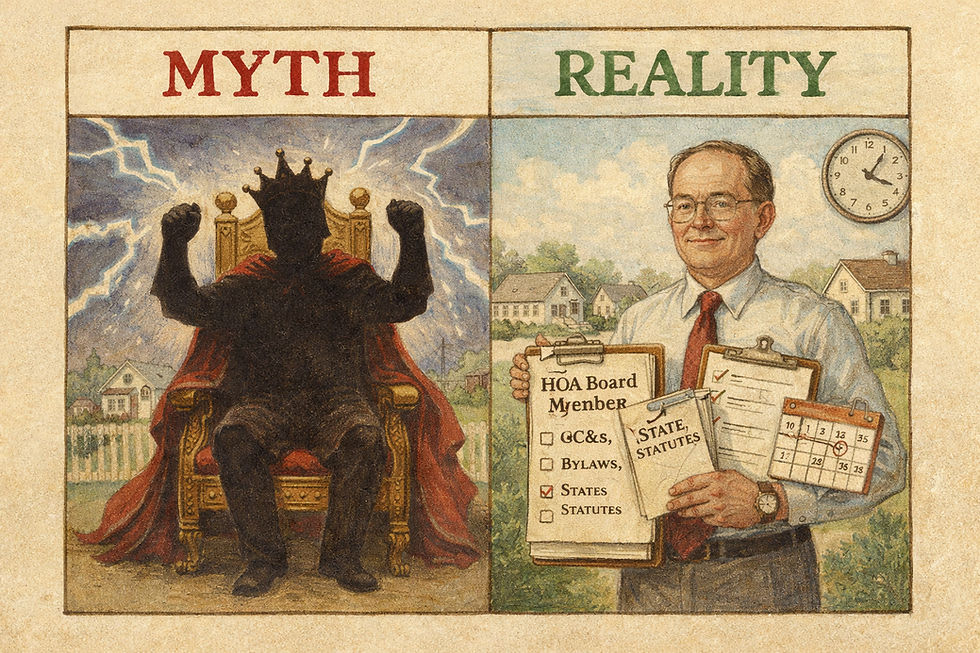


A thoughtful and well-prepared welcome letter sets the tone for their experience in your community and helps them feel valued right from the start. I'd love to hear from you—what strategies have you used to make your community's welcome process smooth and inviting?