


Running a Small HOA in 2026: When “Volunteer Board” Is No Longer Enough

For decades, the "volunteer board" model was the standard for small homeowners' associations. Neighbors pitched in, managed the books on a spreadsheet, and occasionally reminded someone to mow their lawn. It was informal, low-cost, and generally effective. But as we move through 2026, that landscape has shifted dramatically.
Today's small HOA boards face a level of complexity that their predecessors never anticipated. This isn't a question of effort or commitment—board members are working harder than ever. The reality is that the environment itself has changed. Between escalating legal risks, intricate financial demands, and rising resident expectations, the traditional self-management model is showing significant cracks.
This post explores why 2026 marks a critical turning point for small HOAs and how forward-thinking boards are rethinking their roles to ensure their communities survive and thrive.

The Reality in 2026: Complexity Overload
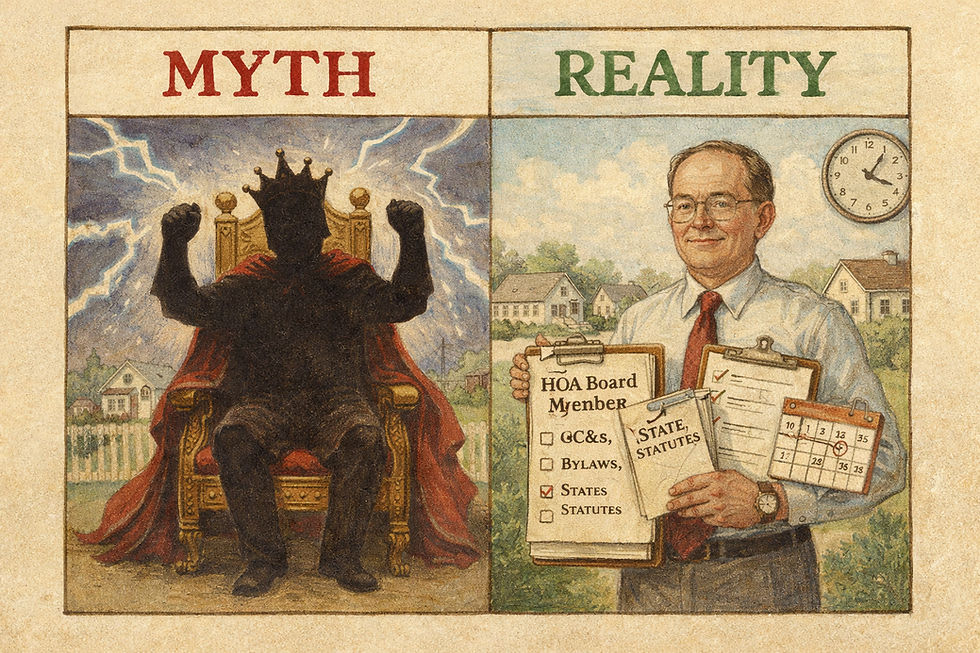
It is no longer just about keeping the common areas tidy. In 2026, serving on a board means navigating a minefield of regulations, insurance requirements, and vendor contracts. The operational burden has grown heavier, transforming volunteer roles into unpaid part-time jobs that require professional-level expertise.
The days of a "handshake agreement" or a simple ledger are gone. Modern governance requires precision, documentation, and a strategic mindset that goes beyond good intentions.

What Changed for Small HOAs?
Several factors have converged to make self-management increasingly difficult for smaller communities.
1. Increased Legal Exposure
State legislatures across the country have been active in passing new HOA regulations over the last few years. From digital privacy laws to specific requirements for reserve funding and structural inspections, the procedural risk is higher than ever. A missed deadline or an improperly documented vote can now lead to significant legal liability.
2. Enforcement Has Become Personal
In a small community, enforcement is inherently awkward. You aren't just fining a resident; you're fining the person you see at the mailbox every day. As rules become more complex, enforcement creates deeper conflicts, pitting neighbor against neighbor and making board service emotionally draining.
3. Financial Management Challenges
Managing HOA finances in 2026 is not for the faint of heart. Insurance premiums have skyrocketed, requiring aggressive negotiation and strategic budget adjustments. Reserve studies are more rigorous, and inflation has made vendor management a constant battle to keep assessments reasonable without deferring maintenance.
4. Professional-Grade Expectations
Residents today are used to the seamless service they get from digital platforms in other areas of their lives. They expect instant responses to emails, transparent online portals for payments, and immediate action on maintenance requests. Meeting these "Amazon-level" expectations with a volunteer workforce is a recipe for frustration on both sides.
The Hidden Cost of Self-Management
Many small HOAs cling to self-management to save money, but the hidden costs often outweigh the savings in management fees.
Time Drain: Board members often find themselves spending 10 to 20 hours a week on HOA tasks, sacrificing personal time and family commitments.
Volunteer Burnout: When the job becomes overwhelming, good volunteers quit. Replacing them becomes impossible because the reputation of the role is "all work, no thanks."
Costly Mistakes: Without professional guidance, boards are more likely to make errors in contracts, insurance coverage, or legal compliance. One lawsuit or emergency repair due to deferred maintenance can cost far more than years of professional management fees.
Strained Relationships: When board members are the face of every collection letter and violation notice, community spirit erodes. The board becomes "them" instead of "us."
Warning Signs the Model Is Breaking Down
How do you know if your community has reached its tipping point? Look for these red flags:
Wearing Too Many Hats: The Treasurer is also fixing the gate and negotiating the landscaping contract.
Enforcement Paralysis: Violations are ignored because board members dread the inevitable confrontation.
Conflict-Driven Meetings: Board meetings are no longer productive planning sessions but are dominated by arguments and grievances.
Fear of Liability: Board members are paralyzed by the fear of making a procedural mistake that could lead to a lawsuit.
The "One-Term" Mentality: Current directors are counting down the days until they can resign, with no one willing to step up to replace them.
Why 2026 Is the Turning Point
We call 2026 a turning point because the complexity curve has steepened permanently. The regulatory and financial pressures facing HOAs are not temporary spikes; they are the new baseline.
Communities that recognize this shift are adapting. They are finding ways to professionalize their operations, reduce liability, and streamline communication. Communities that refuse to adapt are staying stuck in a reactive cycle—putting out fires, losing volunteers, and facing increasing risks.
Rethinking the Board’s Role: Governance vs. Management
The solution isn't necessarily to hand over the keys and walk away. It is about redefining what it means to be a board member.
Boards should govern, not manage.
Governance is high-level decision-making: setting the vision, approving the budget, establishing policy, and ensuring the community is compliant.
Management is execution: collecting dues, sending notices, coordinating vendors, and answering routine phone calls.
When volunteers try to do both, they fail at both. By offloading the administrative and operational burden to professionals—whether through a full-service management company or hybrid support services—boards regain the bandwidth to actually lead. Support does not mean a loss of control; it means gaining the tools to exercise control effectively.
Questions Every Small HOA Board Should Ask
If you are currently sitting on a self-managed board in 2026, take a moment to ask these difficult questions:
Sustainability: Is the current workload sustainable for us, and will we be able to recruit future volunteers to take this on?
Risk Exposure: Are we confident that we are 100% compliant with current laws, or are we exposing ourselves and our neighbors to avoidable liability?
Community Health: Is the atmosphere in our community improving, or are conflicts becoming more frequent and intense?
Strategic Focus: Are we spending our time planning for the future (reserves, improvements, property values), or are we just reacting to daily emails and complaints?
Closing Thought
The most successful boards in 2026 aren't the ones who do everything themselves. They are the ones who recognize when the job has outgrown the volunteer model. By embracing professional support, you protect your community's future, preserve your property values, and—perhaps most importantly—get your personal life back.
Don Asher Management offers tailored administrative services designed to ease the workload for small HOA boards, whether you need full-time or part-time support. From managing day-to-day operations and coordinating vendor schedules to preparing financial reports and ensuring compliance with HOA regulations, we provide the expertise and resources necessary to maintain smooth operations. By partnering with us, your board can focus on strategic decisions while we handle the administrative complexities, ensuring your community thrives.
Adapting isn't a sign of weakness; it's the ultimate sign of responsible leadership.
Did I miss anything? Please let me know in the comments! Also, please subscribe to our blog to receive notifications when new articles are published.
At Don Asher Management, we've proudly served the Central Florida community for over 70 years. As a locally owned company with a strong understanding of the local market, we've cultivated strong relationships with regional and national contractors to deliver top-quality services. We're dedicated to meeting your property and HOA management needs with a personalized touch, combining our decades of experience and commitment to detail to provide unmatched service. We're confident in our ability to deliver exceptional services tailored just for you. Choose Don Asher Management—where personalized attention meets professional service.


Comments